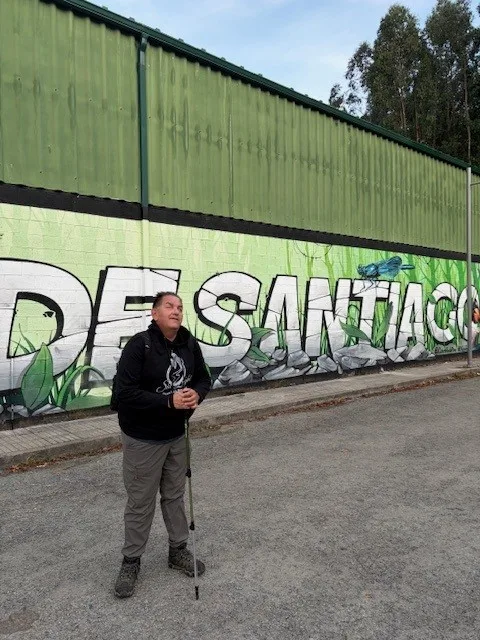
We often call the things we yearn to do in life items on our bucket list. For some, that list may be full of adventures; for others, it might be a single dream that lingers quietly in the background. At 51, I admit I had never clearly defined mine, yet I knew that when opportunities for travel or new experiences arose, I would always jump at the chance.
In mid-October 2025, one of those long-held aspirations came to life as friends and I walked the Camino de Santiago from Sarria to Santiago, Spain. This is the minimum of 116 kilometers that one must complete on foot to be considered a pilgrim. Over five days, we crossed city streets, forest paths, open farmlands, and quiet villages, ending our sixty-two-mile journey in the heart of Santiago before the magnificent cathedral.
Preparation
In preparation for this journey, I walked three to six miles daily, sometimes on the treadmill, but more often around my neighborhood and downtown Sacramento. I preferred the quieter residential routes, where there were fewer obstacles and less wait time at crossings, allowing me to maintain a steady pace.
As the departure date neared, I planned to walk the Camino using my white cane. However, I soon discovered that the changing terrain, gravel roads, uneven hills, and rocky trails made the cane less effective. Walking with a trusted friend familiar with my stride and blindness, we decided that hiking poles would serve us better. They not only supported balance and endurance over seven to eight hours of walking each day, but also proved invaluable for navigating natural terrain. When crossings or boulders presented challenges, I would lightly hold my friend’s backpack as we worked our way through. The experience reminded me that adaptation is a form of independence, not a limitation.
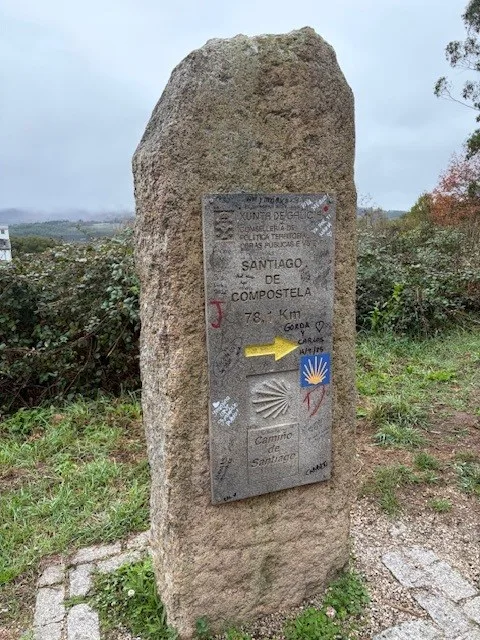
Taking Only Essentials
When I took my first steps on day one, I wasn’t sure if I could truly complete the journey. Carrying only a backpack and the essentials, I felt a sense of liberation. The simplicity of what I carried forced me to focus and be intentional. It reminded me how much lighter we travel, both physically and mentally, when we let go of what no longer serves us.
As a professional and leader, this lesson resonated deeply. We often carry too much in our work lives: worry, outdated habits, or resistance to change. The Camino reminded me to move forward with clarity and trust, taking only what is essential to purpose and progress.
Fellow Pilgrims
Throughout the walk, I met fellow pilgrims, each with their own story, challenge, or hope. Some sought healing, others renewal, and many wanted to reconnect with themselves. Listening to their stories gave me perspective on my own path. It reaffirmed that empathy, patience, and shared experience are what strengthen teams, friendships, and understanding.
Clarity
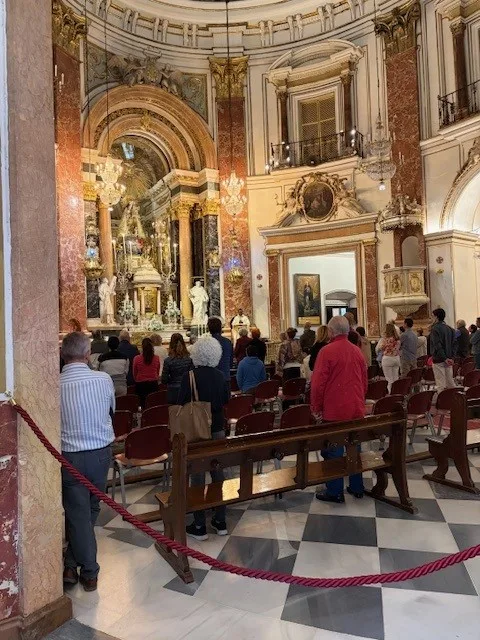
By the time we reached Santiago, I felt both humbled and renewed. The walk helped me slow down, reflect on challenges at work, and uncover new possibilities obscured by the noise of daily life. It reinforced a quiet truth: when we show up with purpose and consistency, clarity follows.
The Camino gave me faith in people, in process, and in persistence. It reminded me that leadership, like pilgrimage, is not about speed or perfection, but about endurance, humility, and trust in the path ahead.
What path is calling you to take your next step?
Learn More