American Heart Month, observed every February, is an initiative to focus on our hearts, keeping them healthy and strong. The month emphasizes making lifestyle changes like managing your blood pressure, your weight and taking your medications properly. People can use at home medical devices to help meet this goal. If you are blind or low vision use accessible medical devices like the ones listed below to take charge of your health.
1. Talking Blood Pressure Monitor for Blind and Low Vision Users
High blood pressure is directly connected to having a healthy heart and life. The American Heart Association encourages using a home monitor to manage your blood pressure. People who are blind or low vision can use an accessible talking blood pressure monitor for more independent tracking. For years I have struggled with high blood pressure. I mitigate this challenge by using one of these accessible medical devices and recording my numbers.
My blood pressure monitor gives an audible read out. Since I take blood pressure medication daily, I go a step farther by tracking my numbers on a spreadsheet. This allows me to see on a regular basis how I am doing and make needed lifestyle adjustments.
A spreadsheet may not work for you, but it is important to come up with your own system. People who are low vision can write down the numbers on a large print calendar, notepad or log book using a 20/20 pen. These types of pens provide better contrast while writing. Or even keep track electronically on a digital device.
2. Talking Bath Scale for Blind and Low Vision Users
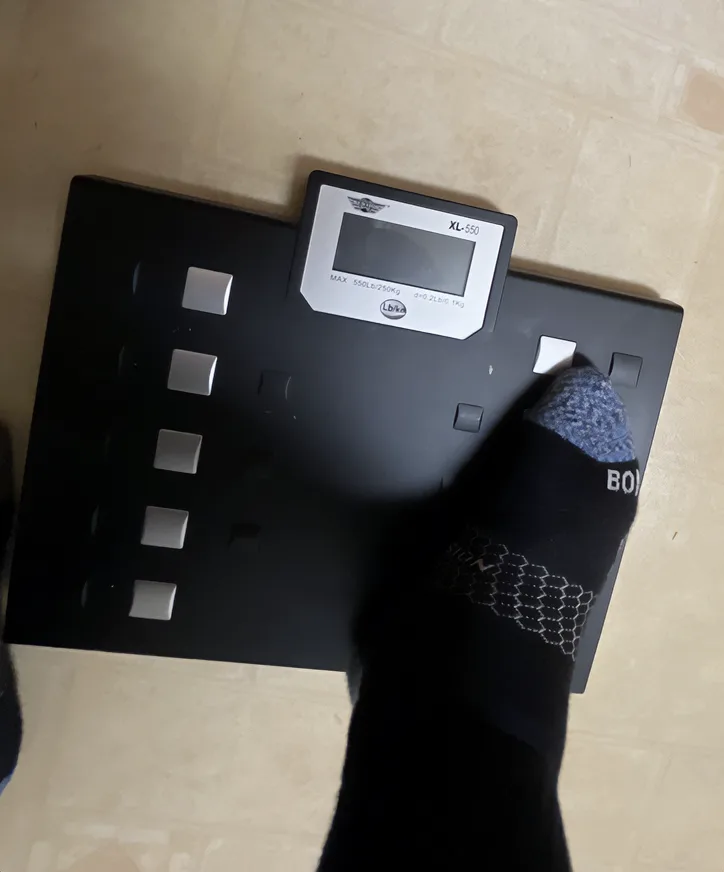
Knowing your body weight is important for heart health for people with vision loss. You may feel stressed or anxious about checking your weight regularly. Or you might feel a lack of privacy and independence with having to get sighted help. You can purchase a talking bath scale to reduce stress and deliver accessible calculations with discretion. Some scales come with large digital numbers as well as an adjustable speech setting. Others are used with an accompanying smartphone app where you can monitor your weight and other health information electronically.
3. Accessible Medication Management for Blind and Low Vision Users
Mismanagement of prescriptions can easily happen, especially if you are blind or low vision. To reduce confusion and errors do the following: know your dosage, when to take it, what type of medication it is and what is the purpose of the medication. Mishaps like taking the wrong pill, missing refill dates or taking expired medication are unsafe.
Typically, prescription information on the container and printed documents are in small print and not very accessible. The U. S. Access Board created best practices to increase the accessibility of medications for people who are blind and low vision. There are multiple options to access medications such as audio, braille and large print.
4. Talking Food Scale for Blind and Low Vision Users
Both preparing and eating heart healthy nutritious foods are important to maintaining wellness . Using a talking food scale can help in managing food portion control. These accessible scales can measure solids or liquids. Most come with a lighted digital display for low vision users. Some are battery operated like the one I use. When I need to measure meats my talking food scale comes in very handy. It will give me the exact number of ounces building my confidence and independence in the kitchen.
5. Accessible Diabetic Supplies for Blind and Low Vision Users
Managing diabetes for people with vision loss is not only important for overall wellness but also for a healthy heart. VisionAware. has an informative section on adaptive devices for handling your diabetes. You can find out more about blood sugar monitoring and insulin measurement as well as other methods for controlling diabetes. VisionAware also provides some tips and strategies for managing diabetes such as coping techniques, portioning food and exercising.
Finding an Accessible Device for Blind and Low Vision Users
If you want to build your independence and control over your well-being, purchase one of these accessible devices. They are available through specialty product catalogs for the blind and low vision. Check out Independent Living Aids and Maxi Aids or even Amazon. You can find the talking scale at The Blind Kitchen, which also has other helpful kitchen tools. Accessible Pharmacy is another good resource for medication management. They will mail your prescriptions and medical supplies in an accessible format.
Regardless of where you purchase these accessible devices use them regularly for self-confidence, independence and a heart healthy lifestyle. Use these devices along with other healthy habits like exercising regularly , reducing stress , not smoking and eating nutritiously. American Heart Month is in February but taking control of your health is a practice worth doing the whole year and beyond.