Every year the National Eye Institute (NEI) designates February as Low Vision Awareness Month. APHVisionAware is partnering with NEI to promote this important event. Why? The numbers of older people with low vision are increasing and are projected to grow dramatically over the next several years. As noted by the National Eye Institute, “A visual impairment can make it hard to do everyday activities…The good news is that vision rehabilitation services can help people …make the most of the vision they have — and keep doing the things they love.”
Unfortunately, vision rehabilitation is one of those “best kept secrets.” According to the National Health Interview Survey, less than 1% of older people with low vision received rehabilitation services in 2023.Why? Many individuals are unaware of services or think that the services are offered only to people who are blind. Also, services may be limited by funding and lack of personnel in some areas of the country.
What Are Vision Rehabilitation Services?
As noted on VisionAware, “the term ‘vision rehabilitation’ includes a wide range of professional services that can restore functioning after vision loss, just as physical therapy restores function after a stroke or other injury. Vision rehabilitation services allow people who have recently lost vision, are blind, or have low vision to continue to live independently and maintain their accustomed quality of life.” These services are provided by vision rehabilitation and low vision therapists as orientation and mobility specialists with special training. They teach how to do everyday tasks, use optical and non-optical devices, and cane skills to get around safely and efficiently.
What Do People Say About Vision Rehabilitation Services?
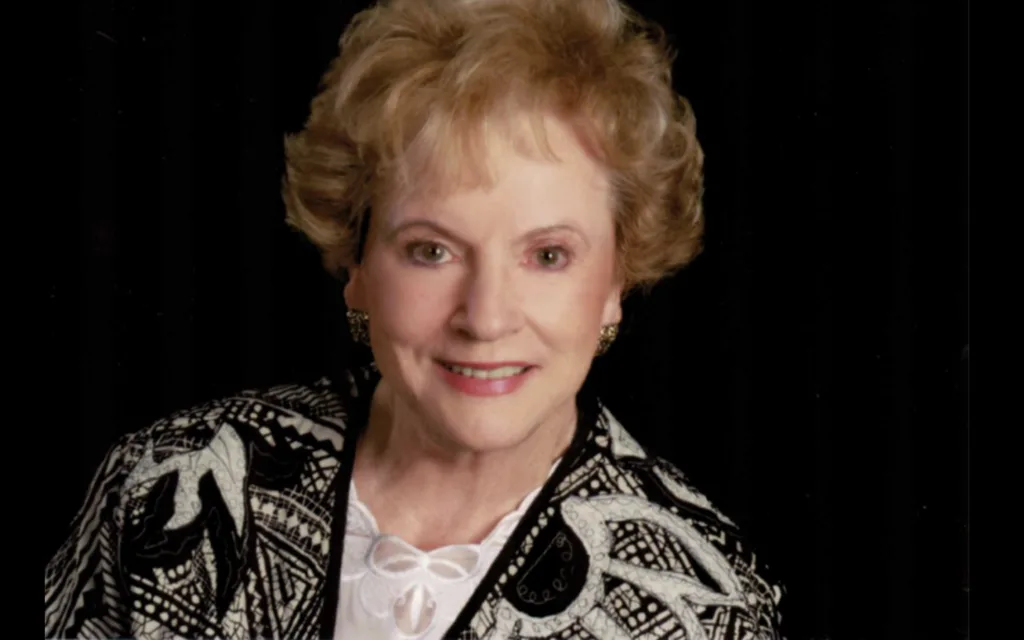
Esther Smith, an older person with age-related macular degeneration, says, “When I first started losing my vision, one of the most helpful things I did was go to my state’s rehabilitation service provider. Since then, I have helped other friends experiencing vision loss go through this process. It varies from state to state. But be sure to tell your counselor what’s on your mind. He or she may be able to help in ways you never dreamed possible. Remember, it’s a process. It doesn’t happen overnight. Like anything worth doing, it takes time, perseverance, and hard work. I hope you find rehabilitation services as helpful as I did.”
How Can You Find Services?
The APH Connect Center offers a listing of specialized resources to help you find appropriate help.
You can also visit Time to Be Bold for listings of state agencies by state.
APH VisionAware Offers Many Resources to Help You in Your Low Vision Journey
New to Vision Loss includes basic information that you need to know about eye health and vision changes, helping you and your family with emotional adjustment, support groups, and daily living activities such asmedication management, personal hygiene, and communicating your needs.
But don’t stop there. Take charge of your life. Learn more about living with blindness and low vision, helpful products and technology, recreation, and getting around. There is even a section for families, friends, and professionals.