Checklist for Choosing a Senior Living Community
Choosing a senior living community is a significant decision that impacts comfort, safety, and overall quality of life. For individuals who are blind or low vision, there are additional considerations to keep in mind. Age-related vision changes are common, and communities that thoughtfully plan for accessibility can make a tremendous difference in supporting independence and dignity.
This checklist provides practical guidance to help individuals and families assess a potential community. It can also serve as a resource for staff and planners to ensure the environment, services, and policies are inclusive of people with vision loss.
Environmental Barriers
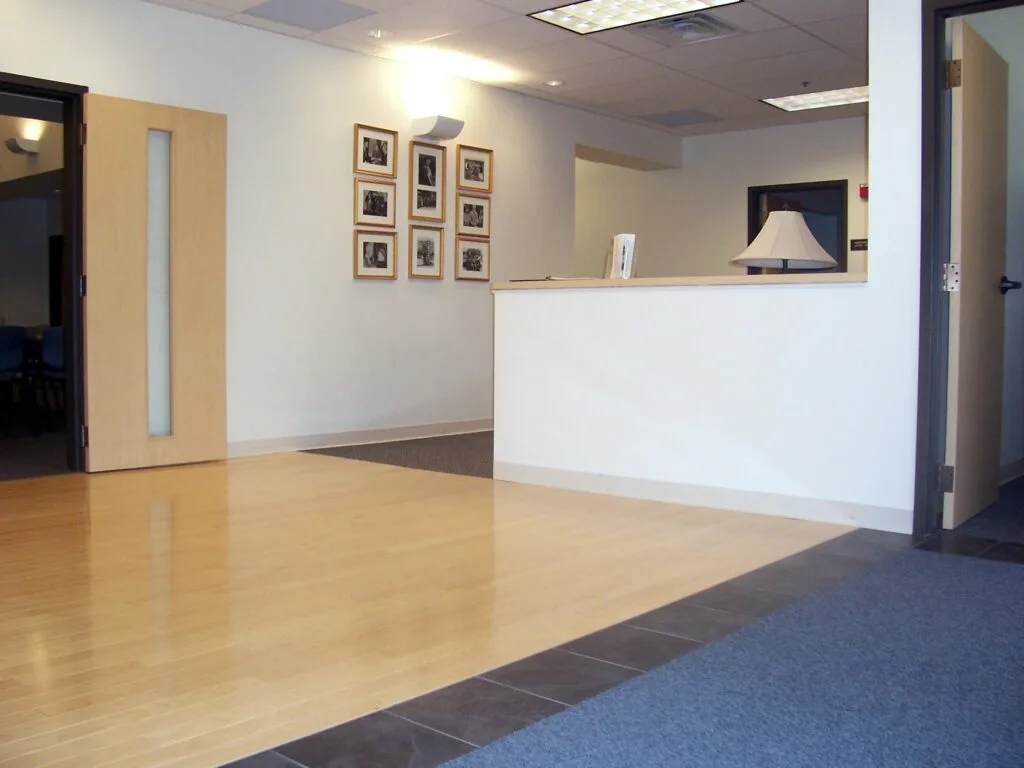
The physical design of a building plays a critical role in safety and orientation. Certain layouts or finishes can make it harder for individuals with vision loss to navigate confidently. When visiting a potential community, pay attention to whether any of the following barriers exist:
- Hallways that intersect at odd angles.
- Large open spaces with few landmarks, which complicate wayfinding and cause echoing sounds.
- Multiple sets of elevators that may be easily confused.
- High-gloss floors that create glare.
- Low and/or uneven lighting in common areas, stairwells, and hallways.
- Throw rugs or waxed, slippery flooring.
- Patterned carpeting that creates visual clutter.
- Low-lying furniture such as coffee tables.
- Windows without glare control.
On the other hand, thoughtful design choices can make a space much more accessible. Look for communities that incorporate features such as:
- Flooring and baseboards with color and/or texture contrast.
- Well-marked curbs and the edges of steps.
- Dimmer switches, low-gloss surfaces, and window coverings to control glare.
- High-contrast large print and braille signage.
- Color-contrasting light switches, doorway trim, and handrails.
- Contrasting furniture in public areas.
- Mailboxes with large print or tactile markings, placed in well-lit areas.
- Elevators equipped with braille, large-print signage, and voice instructions for arrival, departure, and floors.
- Well-marked, easy-to-identify room or apartment doors to recognize one’s room.
Staff Knowledge
The knowledge and training of staff greatly influence whether residents who are blind or low vision feel supported. Consider asking:
- Do staff members understand vision loss?
- Are they familiar with local rehabilitation services and able to make referrals?
- Do they know and provide human guide techniques if requested?
- Does the administration have a clear source for ongoing training to equip staff with knowledge of blindness and low vision?
Dining Area and Services
Dining experiences are a central part of community living. Meals should be both accessible and enjoyable. Ask about general practices as well as specific accommodations:
- Are residents encouraged to eat in a shared dining area, and is assistance available to get there?
- Can meals be delivered to individual rooms if desired?
- Is glare control possible in dining spaces?
- Do tables, chairs, dishes, and table surfaces offer good color contrast?
- Is food served cafeteria-style or restaurant-style, and how is assistance provided?
- Are menus available in large print or read aloud by staff?
- Is the wait staff trained to assist individuals who are blind or low vision, including identifying foods and describing plate placement?
- Do staff place glasses, bowls, and utensils consistently in the same spots.
Beyond meals and housing, communities should consider enrichment opportunities and support for daily living. Look into whether the community provides:
- Access to talking books, electronic magnifiers, accessible computers, or large-print books and accessible games.
- Assistance with residents’ own assistive devices.
- A large-print activity schedule with high contrast, or schedules in alternative formats such as audio.
- A low-vision support group or willingness to start one.
- Recreation equipment marked with tactile dots for ease of use.
- Volunteers or reading services to help with correspondence, bills, and shopping.
Individual Living Areas
Residents’ private spaces should balance comfort and accessibility. When reviewing rooms or apartments, check for the following:
- Large-print or braille numbers, and contrasting door frames for easy identification.
- Contrasting floors, walls, and furniture for clear visual separation.
- Appliances and controls marked with high contrast or tactile dots.
- Accessible and visible call bells.
- Lighting options (including nightlights) and blinds or rheostats to control glare.
- Strong contrast in bathrooms between floors, fixtures, and grab bars.
- Reduced glare on shiny surfaces.
- Appliances marked with tactile controls for ease of use.
- Staff trained to avoid moving personal belongings and to provide clear, simple directions when needed.
Transportation Services
Safe, reliable transportation is essential for independence. When considering a community, ask:
- Are accessible vehicles available for appointments, shopping, and outings?
- If so, are there any mileage restrictions (will only transport within a certain radius for needs)?
- Is public transportation nearby and accessible?
- Have transportation staff been trained in human guide techniques?
Conclusion
The senior living community that meets your needs should support independence, safety, and a high quality of life for residents who are blind or low vision. By paying attention to the physical environment, staff training, services, and accommodations, families can make more confident decisions. Communities that prioritize accessibility not only benefit individuals with vision loss but also create safer and more welcoming spaces for all residents.
For more information, see Organizing and Modifying Your Home – VisionAware.